Why and When to Choose Remote-Mounted Positioners for Harsh Environments
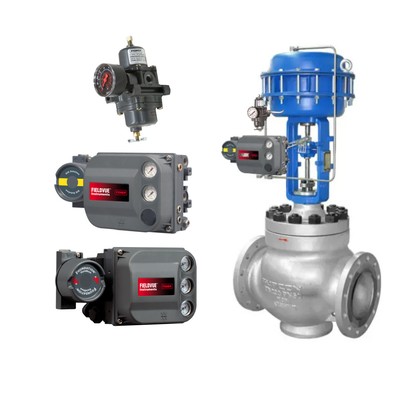
In industrial automation, the valve positioner is the "brain" of the control loop, responsible for translating electronic signals into precise mechanical movement. Typically, these devices are mounted directly onto the actuator. However, in many critical industrial applications, the physical environment surrounding the valve is too hostile for sensitive electronic components.
When environmental factors threaten to compromise performance, a remote-mounted positioner becomes the engineered solution of choice.
What is a Remote-Mounted Positioner?
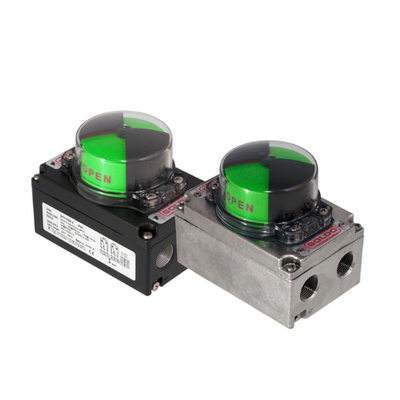
A remote-mounted positioner separates the electronic control unit from the valve-mounted feedback sensor. The electronics are housed in a robust, weather-proof enclosure installed in a safe location—such as a nearby wall, pipe rack, or instrumentation cabinet—while the feedback sensor remains attached to the valve stem to monitor movement. The two components are linked via specialized multi-core shielded cabling, ensuring the control loop remains intact while the electronics stay protected.

When to Opt for Remote Mounting: The Critical Indicators
Direct-mounted positioners are reliable in standard settings, but they face significant risks in specific, high-stress environments. You should consider a remote-mounted configuration if your process encounters any of the following:
- High-Frequency Vibration: Applications such as large-scale compressors, reciprocating pumps, or pipelines with heavy flow turbulence generate persistent, high-frequency vibrations. These vibrations can cause internal component failure, solder joint fatigue, or loose electrical connections in direct-mounted units.
- Extreme Thermal Conditions: When the process fluid temperature exceeds the rated operating temperature of the positioner’s electronic board (typically 80°C), remote mounting is essential. Keeping the positioner in a cooler, remote location prevents thermal drift and premature aging of electronic circuits.
- Space Limitations: In some high-density piping arrangements, physical space around the valve actuator is so restricted that a standard positioner cannot be installed, serviced, or calibrated without significant dismantling of surrounding infrastructure.
- Corrosive or Hazardous Atmospheres: In environments with high concentrations of corrosive gases or radiation, remote mounting allows the sensitive control electronics to be moved to a protected, "clean" air environment, significantly extending the service life of the device.
Key Technical Considerations
Transitioning to a remote-mounted setup requires meticulous planning to ensure system integrity:
- Signal Transmission and Integrity: Because the feedback sensor is separated from the control unit, the cabling must be properly shielded to prevent electromagnetic interference (EMI) or radio frequency interference (RFI) from corrupting the signal.
- Mechanical Synchronization: The feedback sensor must be installed with extreme precision to ensure the movement of the valve stem is perfectly replicated by the sensor. Any mechanical "play" or backlash in the mounting kit will result in reduced control accuracy.
- Calibration Requirements: Remote-mounted systems may require more complex initial commissioning. Engineers must ensure that the cable length is accounted for in the system’s signal compensation, particularly for older analog communication protocols.
Decision Checklist: Is Your Valve a Candidate?
If you are currently experiencing high failure rates in your control loops, ask the following questions:
- Does the surface temperature at the actuator mounting point regularly exceed 80°C?
- Is the valve installed near equipment that creates constant 2g or higher vibrations?
- Is the valve positioned in a way that makes routine inspection or calibration physically hazardous or impossible?
If the answer to any of these is "Yes," a remote-mounted positioner is not just an upgrade—it is a necessary investment in the longevity and reliability of your control system. By isolating the sensitive "brain" of the positioner from the harsh realities of the plant floor, you can effectively eliminate unplanned downtime and ensure high-performance valve control for years to come.


 Your message must be between 20-3,000 characters!