Steam Flow Measurement: Vortex Meter Limitations, Pressure Compensation, and Installation
Introduction
Steam is widely used in power generation, chemical processing, food production, and industrial heating. Measuring steam flow accurately is important for energy monitoring, boiler performance assessment, process control, and cost allocation.
Vortex flow meters are commonly considered for steam measurement because they have no moving parts in the flow path and can be suitable for many industrial operating conditions. However, a vortex meter is not appropriate for every steam application. Flow velocity, pressure, temperature, pipe installation, and the required measurement output all affect the final result.
Understanding these factors helps engineers decide whether a vortex meter is suitable and whether additional pressure and temperature measurements are needed.
1. How Does a Vortex Flow Meter Measure Steam?
A vortex flow meter places a bluff body in the flow path. As steam passes around the body, alternating vortices form downstream. The meter detects the vortex frequency and uses it to determine volumetric flow under the applicable measurement conditions.
The relationship between vortex frequency and flow depends on the meter design and its calibrated operating range. Reliable measurement requires the flow velocity to remain within the manufacturer's specified limits.
Vortex meters are often considered for saturated or superheated steam, provided that the pressure, temperature, density, velocity, and installation conditions fall within the selected model's operating envelope.
They may be unsuitable where the flow is too low for reliable vortex detection, the piping is subject to excessive vibration, or the installation cannot provide the required flow profile.

2. Why Steam Conditions Matter
Steam flow measurement is more complicated than measuring a liquid with relatively stable density.
The relationship between volumetric flow and mass flow depends on steam density. Density changes with pressure and temperature, and the relationship differs between saturated and superheated steam.
For this reason, a meter that measures volumetric flow under operating conditions does not automatically provide the required mass flow or energy information.
Before selecting an instrument, establish whether the application requires:
-
Actual volumetric flow at operating conditions.
-
Mass flow for process control or consumption monitoring.
-
Compensated flow based on measured pressure and temperature.
-
Steam energy calculation using additional process data.
The required output determines whether the vortex meter alone is sufficient or whether a transmitter, pressure sensor, temperature sensor, or flow computer is also needed.
3. Saturated Steam vs Superheated Steam
Saturated steam exists at conditions where the steam and liquid water phases are in equilibrium. Its pressure and saturation temperature are related, so one can be used to determine the other under suitable equilibrium conditions.
Superheated steam is above its saturation temperature at the given pressure. Its density must be determined using the appropriate pressure and temperature information.
This distinction affects compensation strategy.
For saturated steam, a suitable pressure measurement may be used to estimate density when the steam is genuinely near saturation and the measurement method supports that assumption. If the steam contains moisture or deviates from saturation conditions, this assumption can introduce error.
For superheated steam, both pressure and temperature are generally important when calculating mass flow from operating volumetric flow.
The compensation method should therefore match the actual steam state and the accuracy requirements of the application.
4. Pressure and Temperature Compensation
Pressure and temperature compensation converts measured volumetric flow into a more useful flow value when density varies with operating conditions.
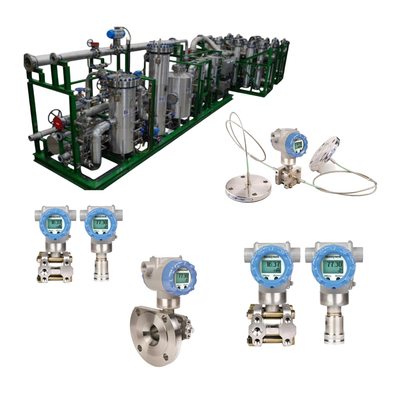
A typical system may include:
-
A vortex flow meter to measure flow.
-
A pressure transmitter to measure steam pressure.
-
A temperature sensor and transmitter to measure steam temperature.
-
A flow computer or control system to calculate compensated mass flow.
Some vortex flow meters provide integrated temperature measurement or support compensation functions, depending on the model. For example, the KROHNE OPTISWIRL 4200 product family offers configurations intended for process flow applications that may include pressure and temperature compensation features. The exact configuration and supported steam calculations must be confirmed against the specific model documentation.
Adding compensation does not correct every source of measurement error. Incorrect sensor placement, poor calibration, unsuitable flow conditions, and moisture in the steam can still affect the result.
5. Installation Requirements for Steam Vortex Meters
Correct installation is essential because vortex meters depend on the flow pattern around the bluff body.
Straight pipe runs
Elbows, reducers, valves, and other upstream disturbances can create swirl or an uneven velocity profile. Follow the meter manufacturer's requirements for upstream and downstream straight lengths, including any allowances for flow conditioners or specific disturbance types.
There is no single straight-run distance that applies to every meter and piping arrangement.
Pipe sizing and velocity
The meter size must match the actual flow range. If the meter is oversized, minimum steam velocity may be too low for reliable detection. If it is undersized, the maximum velocity or pressure loss may exceed the permitted limits.
Check minimum, normal, and maximum flow rather than selecting by nominal pipe diameter alone.
Mechanical vibration
Vortex sensors detect periodic signals, so external pipe vibration can interfere with measurement. Avoid installing the meter close to sources of strong mechanical vibration where possible, and follow the manufacturer's installation guidance.
Steam piping orientation and drainage
Consider the piping arrangement, condensate accumulation, and the requirements for the selected meter. In wet-steam conditions, liquid droplets can affect measurement quality. Proper steam-line design, drainage, and installation help reduce these risks.
Temperature and pressure limits
Verify the meter body's pressure rating, sensor temperature limits, flange rating, and material compatibility. The limits of the entire assembly must be suitable for the process.
6. Common Causes of Unstable or Inaccurate Readings
Several problems can affect steam flow measurement:
-
Flow below the meter's minimum range: Vortex signals may become weak or unreliable.
-
Excessive pipe vibration: Mechanical interference can affect signal detection.
-
Incorrect pipe sizing: The operating velocity may fall outside the suitable range.
-
Inadequate compensation: Changes in steam density may produce errors in calculated mass flow.
-
Incorrect pressure or temperature data: Poor sensor installation or calibration can distort the compensation result.
-
Wet or two-phase flow: Moisture may cause the measured flow to deviate from the meter's intended operating conditions.
-
Insufficient straight pipe: Distorted flow profiles can affect measurement performance.
Troubleshooting should start with process conditions and installation, followed by sensor status, signal quality, and compensation configuration.
7. How to Select a Steam Flow Meter
Before choosing a vortex flow meter, confirm the following:
-
Saturated or superheated steam.
-
Minimum, normal, and maximum flow rates.
-
Operating pressure and temperature ranges.
-
Required output: volumetric flow, mass flow, or energy calculation.
-
Pipe size, material, and installation layout.
-
Available straight pipe lengths and vibration conditions.
-
Pressure and temperature compensation requirements.
-
Output signal and integration with the control system.
-
Pressure rating, temperature rating, and required certifications.
If the application requires high accuracy over a broad operating range, compare the proposed vortex solution with other suitable steam measurement technologies using the actual process data.
Conclusion
Vortex flow meters can be a practical solution for many steam measurement applications, but their performance depends on flow range, steam conditions, installation, and the required output.
Pressure and temperature compensation may be necessary when the objective is to calculate mass flow accurately as steam density changes. The compensation strategy must reflect whether the steam is saturated or superheated and must use reliable process measurements.
Selecting the right meter begins with the operating envelope and the measurement objective—not simply the nominal pipe size.
Need a steam flow measurement solution? Provide the steam state, pressure, temperature, minimum and maximum flow, pipe size, and required output to help assess a suitable meter configuration.


 Your message must be between 20-3,000 characters!