Types of Valve Positioner: Ultimate Guide for 2025
If you're in process control, instrumentation engineering, or industrial automation, understanding the types of valve positioner is essential for optimizing system performance. A valve positioner ensures precise control of valve stem movement, translating control signals into accurate actuator responses. This guide dives deep into the main types of valve positioner, their workings, advantages, and applications—perfect for selecting the right one for your setup. Whether you're dealing with pneumatic valve positioners or advanced digital models, we'll cover it all to boost your knowledge and help with SEO-optimized searches like "valve positioner types" or "control valve positioner guide."
What Is a Valve Positioner and Why Does It Matter?
A valve positioner is a device attached to a control valve actuator that receives input signals (pneumatic, electrical, or digital) and adjusts the valve's position for precise flow control. Without it, issues like hysteresis, deadband, or inconsistent stroking can lead to process inefficiencies, safety risks, and higher maintenance costs. In industries like oil and gas, pharmaceuticals, or water treatment, the right valve positioner type enhances stability, reduces energy use, and complies with standards like SIL (Safety Integrity Level).
Key benefits include:
- Improved accuracy (e.g., <0.5% error in stroke)
- Feedback mechanisms for real-time diagnostics
- Compatibility with modern control systems like PLCs or DCS
Choosing among valve positioner types depends on your signal type, environment (e.g., hazardous areas), and budget.
Main Types of Valve Positioner
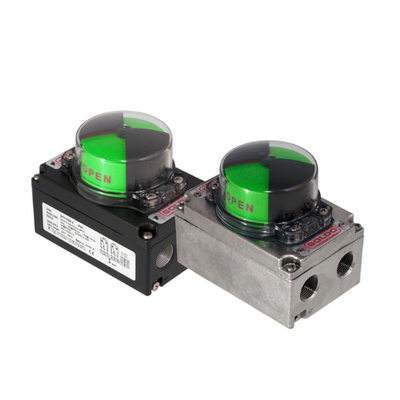
There are four primary types of valve positioner: pneumatic, electronic, electro-pneumatic, and digital. Each excels in specific scenarios, from simple analog setups to smart, IoT-integrated systems. Here's a breakdown:
1. Pneumatic Valve Positioner
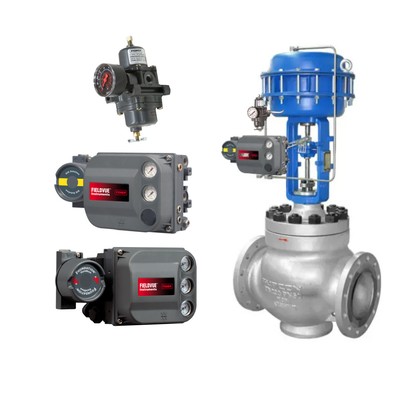
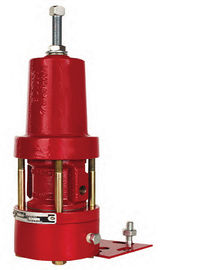
Pneumatic valve positioners use air pressure signals (typically 3-15 psi) to control the actuator. They rely on mechanical feedback, like a force-balance mechanism, to compare input and actual position.
How it works: The input signal modulates air supply to the actuator diaphragm or piston, with a feedback cam or lever ensuring precision.
Advantages:
- Simple and reliable in non-electrical environments
- Low cost (often $500-$1,000)
- Intrinsic safety for explosive areas (no sparks)
Disadvantages:
- Slower response times (0.5-2 seconds)
- Susceptible to air quality issues (moisture, contaminants)
- Limited diagnostics—no digital feedback
Applications: Basic process control in petrochemical plants, water systems, or where electricity is hazardous. Ideal for legacy systems without needing upgrades.
Pneumatic Valve Positioner Working Principle - AutomationForum
2. Electro-Pneumatic Valve Positioner
Electro-pneumatic (E/P) valve positioners convert electrical signals (e.g., 4-20 mA) into pneumatic output for the actuator. They bridge analog control systems with pneumatic hardware.
How it works: An I/P transducer converts current to pressure, while position feedback (via potentiometer or Hall effect sensor) fine-tunes the valve.
Advantages:
- Faster than pure pneumatic (response <0.5 seconds)
- Compatible with standard control loops
- Moderate cost ($800-$2,000) with better accuracy (±0.5-1%)
Disadvantages:
- Requires clean air supply
- Basic diagnostics; not as advanced as digital
- Potential for electromagnetic interference
Applications: Manufacturing, HVAC, and chemical processing where electrical signals are standard but pneumatic actuators are in use. Great for retrofits in food and beverage industries.
Control Valve Positioner | Basics of Pneumatic Valve Positioners
3. Electronic Valve Positioner
Electronic valve positioners handle purely electrical inputs and outputs, often for electric actuators. They're less common in traditional pneumatic systems but growing with electrification trends.
How it works: Uses servo motors or stepper drives with electronic feedback loops for precise positioning.
Advantages:
- High precision (±0.1-0.5%) and speed
- No air supply needed—energy efficient
- Easy integration with digital controls
Disadvantages:
- Higher power consumption
- Less suitable for fail-safe pneumatic applications
- Costlier installation ($1,500+)
Applications: Modern automation in power plants, robotics, or clean environments like semiconductors. Suited for VMD (Valve Motor Drive) actuators.
4. Digital (Smart) Valve Positioner
Digital valve positioners, often called "smart" positioners, use microprocessors for advanced control via protocols like HART, FOUNDATION Fieldbus, or PROFIBUS.
How it works: Processes 4-20 mA signals digitally, with built-in diagnostics, auto-calibration, and predictive maintenance features.
Advantages:
- Superior accuracy (±0.1%) and repeatability
- Remote monitoring, self-diagnostics (e.g., valve signature analysis)
- Integration with IIoT for predictive analytics
Disadvantages:
- Higher upfront cost ($2,000-$5,000)
- Requires skilled setup and compatible systems
- Power dependency in remote areas
Applications: High-stakes industries like oil refining, pharmaceuticals, and LNG, where downtime costs millions. Perfect for smart factories with Industry 4.0 tech.
Valve Positioners | Basic Principles of Control Valves and ...
Comparison of Valve Positioner Types
To help with selection, here's a quick comparison table optimized for "valve positioner types comparison":
| Type |
Signal Type |
Accuracy |
Cost Range |
Best For |
Key Limitation |
| Pneumatic |
Air (3-15 psi) |
±1-2% |
$500-1K |
Hazardous, simple setups |
Slow response, no diagnostics |
| Electro-Pneumatic |
4-20 mA to air |
±0.5-1% |
$800-2K |
Analog control retrofits |
Air quality dependency |
| Electronic |
Electrical |
±0.1-0.5% |
$1.5K+ |
Electric actuators |
Power consumption |
| Digital/Smart |
Digital (HART/FF) |
±0.1% |
$2K-5K |
Advanced, IIoT systems |
Complex setup |
This table highlights how digital valve positioners lead in precision, while pneumatic types offer reliability in tough spots.
How to Choose the Right Valve Positioner Type
Factor in your control system (analog vs. digital), environment (explosion-proof needs), and maintenance goals. For example, opt for electro-pneumatic valve positioners in mixed systems or digital for future-proofing. Always check certifications like ATEX or FM.
FAQs on Valve Positioner Types
What are the 4 types of valve positioner? Pneumatic, electronic, electro-pneumatic, and digital—each suited to different signal and control needs.
Which valve positioner type is best for hazardous areas? Pneumatic or intrinsically safe electro-pneumatic models, as they minimize electrical risks.
Do all control valves need a positioner? Not always, but they're crucial for precision in variable processes or long-distance signaling.
Conclusion: Mastering Valve Positioner Types for Optimal Control
Understanding the types of valve positioner—pneumatic, electro-pneumatic, electronic, and digital—empowers better decisions in industrial setups. By matching the right type to your application, you'll achieve superior process control, lower costs, and enhanced safety. For more on calibration or troubleshooting, explore our related guides. Stay ahead in 2025 with smart choices in valve positioner technology!


 Your message must be between 20-3,000 characters!